In January 2023, the World Economic Forum’s Annual Meeting was held and new guidelines were presented to support the logistics industry on its path to achieving net zero emissions.
The guide was developed in collaboration with some of the world’s leading logistics companies. The guidelines provide a roadmap for decarbonising the industry by 2050 and detail the actions that need to be taken in the short term to get the sector on the right track. These include the introduction of low-carbon technologies, the development of clean fuel sources and the use of digital tools to optimize operations. The guidance also encourages governments to set ambitious emission reduction targets and introduce policy measures to support industry’s transition to net zero emissions.
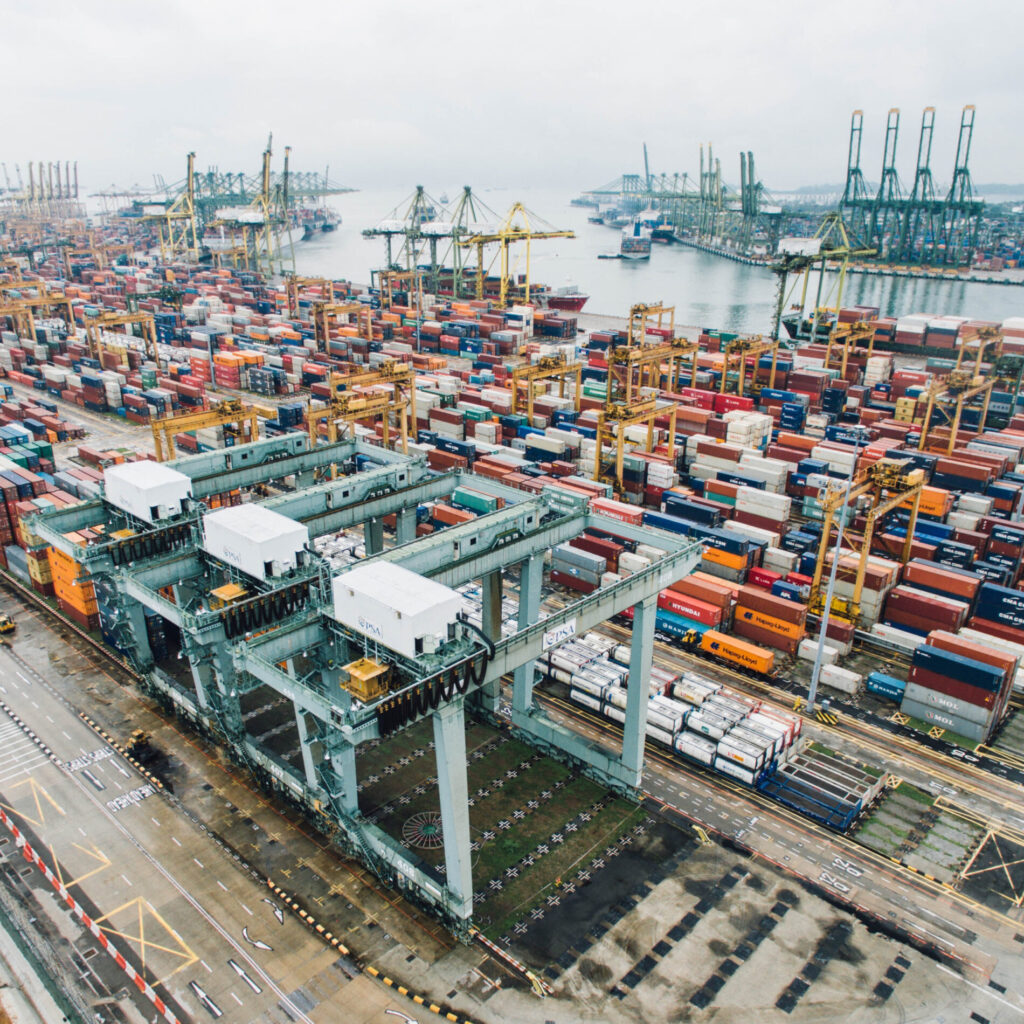
Freight transport is essential to the movement of goods between producers and consumers and helps keep the world economy functioning. Today’s connected industry supply chains can cover almost the entire world for just one product. This necessitates the transportation of a wide variety of goods, including raw materials, industrial products, agricultural products and perishable items. Hazardous materials are transported, including fuel and chemicals. Freight transport is important because it allows goods to be transported quickly and reliably, at a lower cost than other forms of transport. It also helps reduce the environmental impact associated with transportation, as it uses fewer resources, such as fuel and energy, compared to other forms of transportation. The trucking industry is highly regulated and companies must adhere to strict safety and environmental regulations. Companies must also ensure that their drivers, equipment and vehicles meet safety requirements and are properly maintained. Freight transport is an important part of the global economy and is essential for the movement of goods between producers and consumers. It helps reduce the environmental impact of transport and ensures that goods are transported safely and efficiently.
So how does the cargo sector hold up? And what is the role of international standards? It all starts with efficiency and a desire to reduce environmental impact. As in other economic spheres, understanding where emissions come from and establishing a detailed baseline of CO2 emissions is the first step in managing them. ISO 14083 “Greenhouse gases — Quantification and reporting of greenhouse gas emissions arising from transport chain operations”, covering both passenger and freight transport, is expected to be published. This will ensure common industry guidance for calculating and reporting emissions from freight transport and logistics. Its annex will provide sector-specific guidance on matters such as ship categories, default emission intensity values and calculation examples for inland waterway transport that complement the provisions of the main standard.
The international standard ISO 14083 defines a benchmark for the measurement and management of CO2 emissions from freight activities. It will provide a level of consistency and accuracy across the industry and can be used to compare and contrast performance. ISO 14083 will scale up collective efforts and provide a unique tool for all actors in the transport chain to drive proactive climate action, create policies and roadmaps to reduce emissions and track progress.
The International Organization for Standardization (ISO) has developed a comprehensive set of standards for measuring and managing CO2 emissions from freight activities. They also provide a baseline for comparing and benchmarking industry performance, assist in the development and promotion of best practices in the freight transport sector, and provide a framework for the development of innovative emission reduction solutions and technologies.
By implementing ISO 14083, companies, governments and other institutions can standardize their calculations and reporting of greenhouse gas emissions and make more informed decisions about their climate change strategies. The standard also helps identify potential greenhouse gas opportunities and enables organizations to accurately track and report their progress toward reducing greenhouse gas emissions and meeting climate change goals.